

Introduction — Why We Still Talk About Fascisterne
If you’ve ever seen a political argument online, you’ve probably noticed how quickly someone uses the word fascisterne. Sometimes it’s accurate. Sometimes it’s not even close. But behind the heated rhetoric lies an important truth: understanding fascism remains crucial, even decades after its most infamous regimes fell.
Why? Because history has a way of repeating itself if we ignore it. And the ideas once championed by fascisterne still appear—not always loudly, but often quietly—in political movements, extremist groups, and cultural conversations today.
Before we can make sense of modern debates, we need to understand where it all began.
What Does “Fascisterne” Actually Mean?
The Origin of Fascism
The term “fascism” comes from the Italian word fascio, meaning bundle or unity. The fasces—a bundle of rods around an axe—symbolized power through strength and togetherness. Benito Mussolini embraced this symbol as he built the first fascist state in the early 20th century.
Historical vs. Modern Usage
Historically, fascisterne referred to individuals who supported or belonged to fascist parties. Today, however, the term sometimes gets thrown around simply to describe anyone with harsh or extreme political views.
Understanding its true meaning helps us avoid confusion and stay rooted in fact, not emotion.
How Fascism Emerged in Europe
Italy and Mussolini
After World War I, Italy was devastated economically and politically. Mussolini promised stability, pride, and a restored national identity. Desperate citizens listened. Fascisterne rose quickly through violent intimidation, propaganda, and promises of renewal.
Spread to Germany, Spain, and Beyond
Germany’s Nazi Party borrowed fascist structures but added racial ideology. Spain, under Francisco Franco, formed a distinct yet related form of authoritarian nationalism.
Shared Core Values
Across countries, fascisterne believed in:
-
A strong, centralized leader
-
Extreme nationalism
-
Control over media and education
-
Suppression of opposition
-
Glorification of military strength
These principles formed the ideological backbone of fascism across Europe.
The Ideology Behind Fascisterne
Nationalism and Authoritarianism
Fascist ideology centers on unquestioning devotion to the nation and its leader. Individual rights take a back seat to state goals.
Anti-Democratic Beliefs
Democracy was seen as weak and chaotic. Fascisterne offered “efficiency” and “unity”—but at the cost of freedom.
Propaganda and Leader Worship
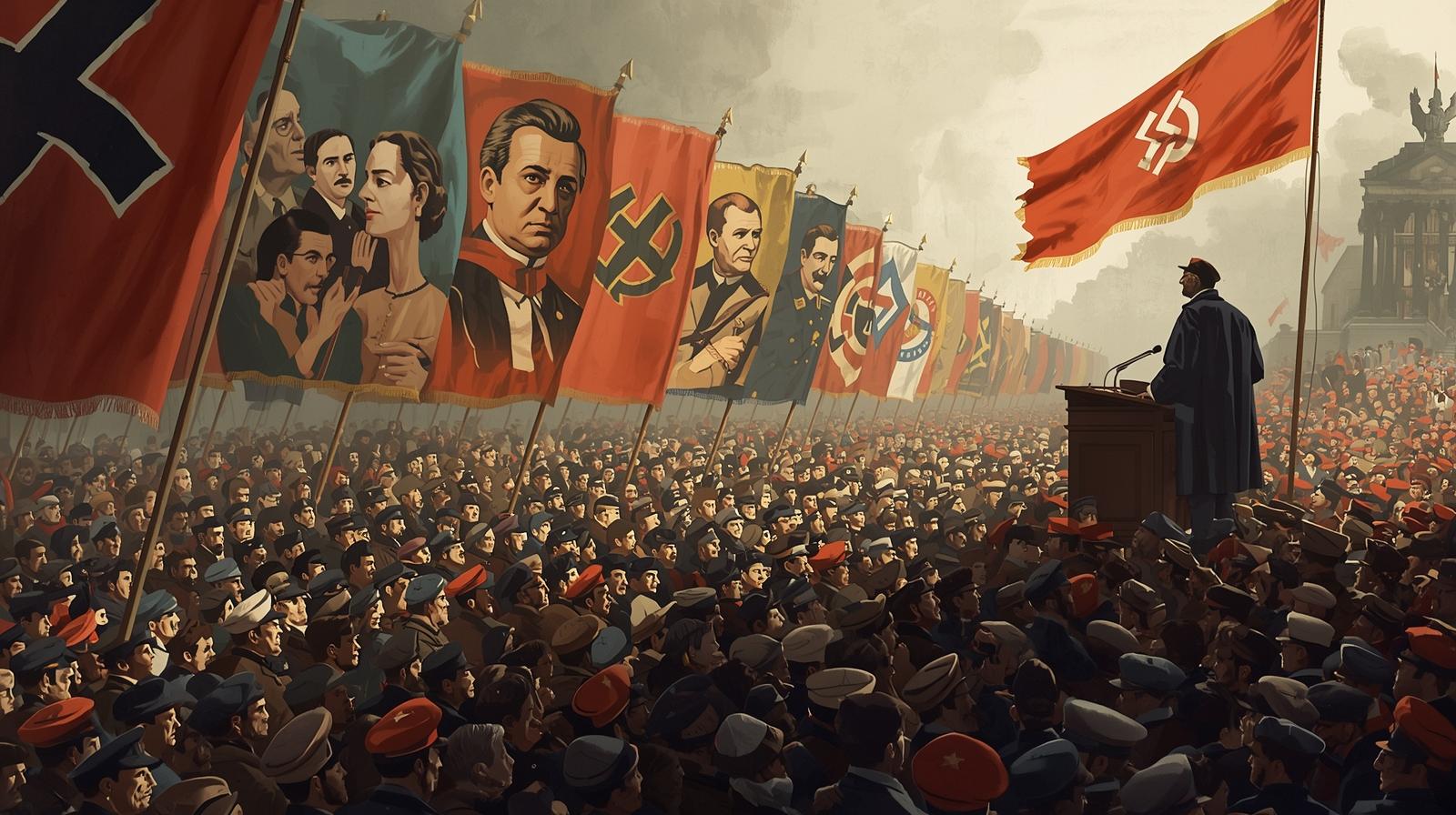
From massive rallies to carefully crafted speeches, fascist leaders shaped their own mythologies. Propaganda wasn’t an afterthought—it was the engine of the movement.
How Fascisterne Gained Power
Economic Instability
When people struggle to survive, extreme ideas start to sound appealing. Fascisterne capitalized on desperation with simple, emotionally powerful promises.
Fear-Based Rhetoric
They created enemies—political opponents, minorities, outsiders—and used fear to unify supporters.
Promises of National Renewal
The idea of “making the nation great again” isn’t new. Fascisterne used similar slogans to rebuild national pride.
Life Under Fascist Regimes
Suppression of Freedom
Under fascist rule, personal freedoms disappeared. Citizens learned quickly that speaking out could mean punishment or worse.
Persecution of Opponents
Journalists, activists, professors, and ordinary people were targeted. Many fled their countries; others didn’t make it out.
Control of Education and Media
Books were banned. Films were censored. Schools became places to indoctrinate rather than teach. Fascisterne understood that controlling information meant controlling society.
Decline of Historical Fascism
World War II
The defeat of Nazi Germany and Fascist Italy marked the collapse of the most powerful fascist regimes in history.
Post-War Consequences
Many leaders were punished. Fascist symbols and parties were banned. But ideology doesn’t disappear overnight.
Survival Underground
Small groups kept fascist ideas alive through secret meetings and hidden networks. Some resurfaced decades later as modern extremist movements.
Why the Term “Fascisterne” Is Still Used Today
Political Labeling
In heated debates, people sometimes use the word “fascist” to accuse opponents of authoritarian behavior. But accuracy matters.
Misuse vs. Historical Accuracy
Calling someone a fascist doesn’t automatically make them one. It’s important to understand the specific characteristics before applying the label.
Are There Modern Groups Inspired by Fascisterne?
Neo-Fascist Movements
Some modern organizations openly embrace fascist symbols, language, or ideology.
Extremist Ideologies With Fascist Traits
Not all extremist groups call themselves fascist, but they may still share traits like:
-
Leader worship
-
Anti-democratic values
-
Xenophobic rhetoric
Recognizing Early Signs
Understanding history helps identify when a movement begins to echo fascist ideas.
Recognizing Propaganda — Then and Now
Techniques Used by Fascisterne
They used repetition, emotional messaging, and scapegoating to shape public opinion.
The Digital World Amplifies Manipulation
Modern disinformation spreads faster than any newspaper ever could.
How to Spot Manipulation
Ask yourself:
-
Who benefits if I believe this?
-
Does this message oversimplify a complex issue?
-
Is it appealing to emotion rather than reason?
How Democracies Can Resist Fascist Tendencies
Education and Awareness
History is our first defense. When people understand what fascisterne did, they’re less vulnerable to extremist messaging.
Strong Institutions
Independent courts, free press, and fair elections protect society from authoritarian drift.
Community Resilience
Communities that value dialogue and inclusion are harder to divide.
Why Fascist Ideas Still Attract Some Individuals
Desire for Order
In times of chaos, strict leadership can feel comforting.
Attraction to Strong Leaders
Fascisterne framed their leaders as saviors, offering certainty in uncertain times.
Identity and Belonging
People are drawn to movements that give them a sense of purpose—even if the ideology is harmful.
Lessons We Can Learn From Fascisterne
Why History Matters
Every generation faces challenges. Remembering the past helps us avoid old mistakes.
Awareness Is a Shield
By understanding fascism, you’re better equipped to recognize manipulation and defend democratic values.
Conclusion — Keeping the Past Alive to Protect the Future
Understanding fascisterne isn’t about reliving old tragedies. It’s about making sure we don’t repeat them. History shows how quickly freedom can disappear when fear and division take over. By staying informed, asking questions, and valuing dialogue, we protect not only ourselves but future generations.
The past speaks—if we’re willing to listen.